
Why home care, and how it starts
Growing older at home is a real option for far more people than families assume. Here is why it works, when to look into it, and exactly what happens from the first phone call onward.
A facility is not the only answer
There is a belief, particularly strong in immigrant families, that once a parent gets old and frail there are only two options: someone gives up their job to care full-time, or the parent goes into a home. Both feel like a loss, and families carry a lot of guilt deciding between them.
There is a third option, and it is the ordinary one in Alberta. Bring the care to the house instead. Care homes exist and they serve people well when the need is genuinely round-the-clock and clinical. But a great many people are nowhere near that point — they need help with a bath, a hot meal, a ride to the doctor and someone to talk to. That is home care, and it can be arranged this month.
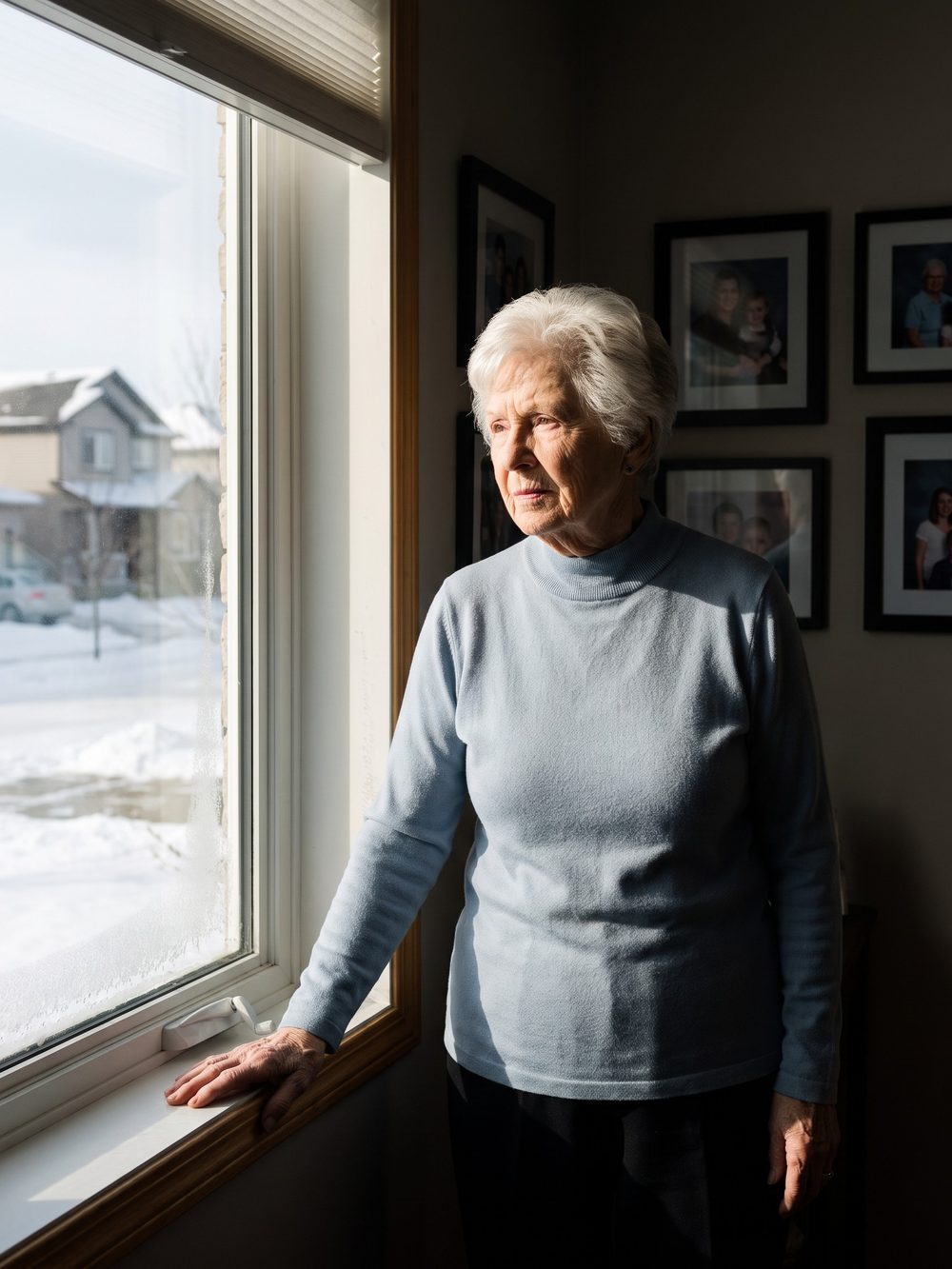
In-home care compared with moving to a facility
Neither option is right for everyone. This is simply how the two differ in practice, so you can judge which fits your family today.
| Care at home | Moving to a facility | |
|---|---|---|
| Surroundings | Own home, own bed, own neighbourhood | A new building and an unfamiliar routine |
| Attention | One-to-one for the whole visit | Staff shared across many residents |
| Daily schedule | Set by the person receiving care | Largely set by the facility |
| Food | Cooked to your taste, culture and diet | A standard menu with limited options |
| Visitors | Whenever you like, as long as you like | Within visiting policy |
| Language | Caregiver matched to your language | Depends on who is on shift |
| Cost structure | Priced by the hours booked | Priced as an all-in package |
| Adjusting the amount | Increase or reduce hours as needs change | Typically fixed once you have moved in |
| Best suited to | People who are safe at home with the right support | Needs that are continuous and clinical |
We will say the obvious thing: there are situations where a facility genuinely is the safer choice. If yours is one of them, we will tell you at the consultation rather than take the booking.
Signs it is time to look into home care
Families usually wait for a crisis. It is easier, cheaper and far less frightening to start before one.
- A fall, or a near miss that gave everyone a fright
- Weight loss, or a fridge with food going off in it
- Medications being missed, doubled or muddled
- Bathing and grooming quietly being skipped
- Laundry, dishes and post piling up
- Confusion about the day, the date or familiar routes
- Withdrawing from friends, family or the community
- Missed appointments, or no longer driving safely
- Returning home after a hospital stay
- A family caregiver who is exhausted, unwell, or leaving town
We start by listening, not by selling
Most people who call us are not shopping around for a service. They are worried about someone. A parent had a fall. A husband is not eating properly. A daughter has been doing everything herself for two years and cannot keep going.
So the first conversation is not a sales call. We ask what a normal day looks like now, what it looked like a year ago, and what worries you most at three in the morning. From that, it usually becomes obvious what kind of support would actually help — and how much of it.
If home care is not the right answer for your situation, we will tell you that too.

From first call to settled routine
Nothing here costs you anything until you have a written plan in your hands and have said yes to it.
Your first call or online request
Call 587-ALLWELL or send a service request through this website. We will call you back the same day where we can, and always within one business day. We will ask about the situation, answer your questions honestly, and explain how funding through CDHCI works if that is relevant to you. Nothing is committed at this stage.
A free in-home consultation — no assessment fee
We come to the home, because a home tells you things a phone call cannot. We look at the layout, the stairs, the bathroom, the kitchen and the lighting. We talk with the person who will be receiving care — not only about them — and with the family members involved. We cover routines, food, faith, language preference, sleep, mobility, medications and what the person enjoys. This visit is free and there is no obligation whatsoever afterwards.
A written care plan you can actually read
You receive a plan in plain language: which services, which days, which hours, which caregiver, what it costs, and which portion is covered by approved CDHCI hours. Anything optional is marked as optional. We would rather you take the plan away and think about it than sign something on the spot.
Caregiver matching and introduction
We match on skills and on personality, language and temperament — the things that decide whether someone is welcome in the house. Wherever possible you meet your caregiver before the first shift, so the first day is a familiar face rather than a stranger at the door.
Care begins — and keeps being reviewed
We check in after the first few shifts and again after the first couple of weeks, because early adjustments are normal. After that we review the plan on a regular schedule and any time something changes: a hospital stay, a new diagnosis, a family member moving away. You can reach the office directly, and you will not be routed through a call centre.
What the free consultation actually covers
The person
- Daily routine and sleep patterns
- Mobility and fall history
- Personal care needs and preferences
- Memory, mood and orientation
- Food, culture, faith and language
The home
- Stairs, thresholds and walkways
- Bathroom safety and access
- Kitchen and appliance use
- Lighting and trip hazards
- Access, parking and keys
The family
- Who currently does what
- Where the strain is greatest
- Who should be kept informed, and how
- Existing CDHCI approval, if any
- Budget and what is realistic
How we keep quality from slipping
Good home care is not established on day one and then left alone. It is maintained.
- A small, consistent team. The same few faces, so the person is known rather than handed over.
- Notes after every visit. What was done, what was eaten, what changed — so nothing depends on memory.
- Scheduled plan reviews. Regularly, and immediately after any significant change.
- A direct line to the office. Concerns go to a person who can act on them, not a ticket queue.
- Honest escalation. If we see something that needs clinical attention, we say so and point you to the right service.
Ready to book the consultation?
It is free, there is no assessment fee, and there is no obligation to continue afterwards.